There are many emergencies that happen every year. The best way to help those affected is to make sure they receive the basic necessities as soon as possible — so they don't have to suffer when there are ways to help them. That's why our work centers on connecting the people and resources that can get help to where it's most needed: corporate leaders, community groups, and other organizations and foundations raising awareness. By increasing that awareness and cutting out duplicated cost, we make it easier for everyone involved to act.
Our goal is to make sure everyone who wants to work alongside us can do so as effectively as possible. The best way to do that is to reduce the hassle each group has to endure to help — we expedite the process and make it as efficient as we can. Too many efforts that begin with good intentions end up going nowhere because no one was there to guide the people trying to get help to those who need it.
We move quickly on major international emergencies, working alongside our partner organizations to get help where it's needed most.
Beyond large-scale crises, we stay engaged with the smaller, everyday needs that too often go unmet.
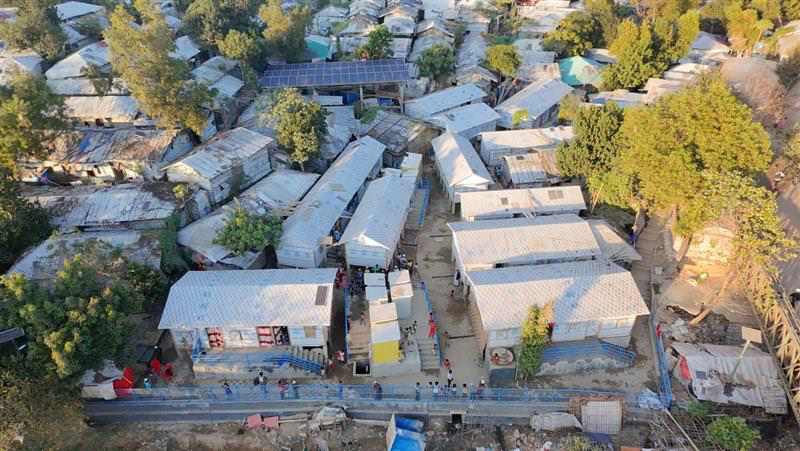
In partnership with UNHCR, the UN Refugee Agency, we helped rebuild safer homes for Rohingya refugee families in the camps of Cox's Bazar — the world's largest stateless population, living in some of the most densely populated refugee settlements on earth. Fragile bamboo-and-tarpaulin shelters offered little protection from monsoon rains, flooding, and fire. Our contribution helped fund fire- and weather-resistant shelters built on reinforced concrete pillars with steel frames.
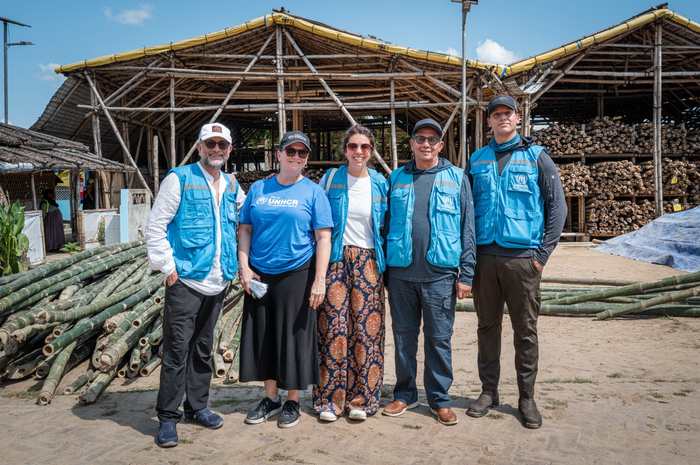
“Because of you, more than 20,000 Rohingya refugees in Cox's Bazar are safer today than they were just one year ago.”
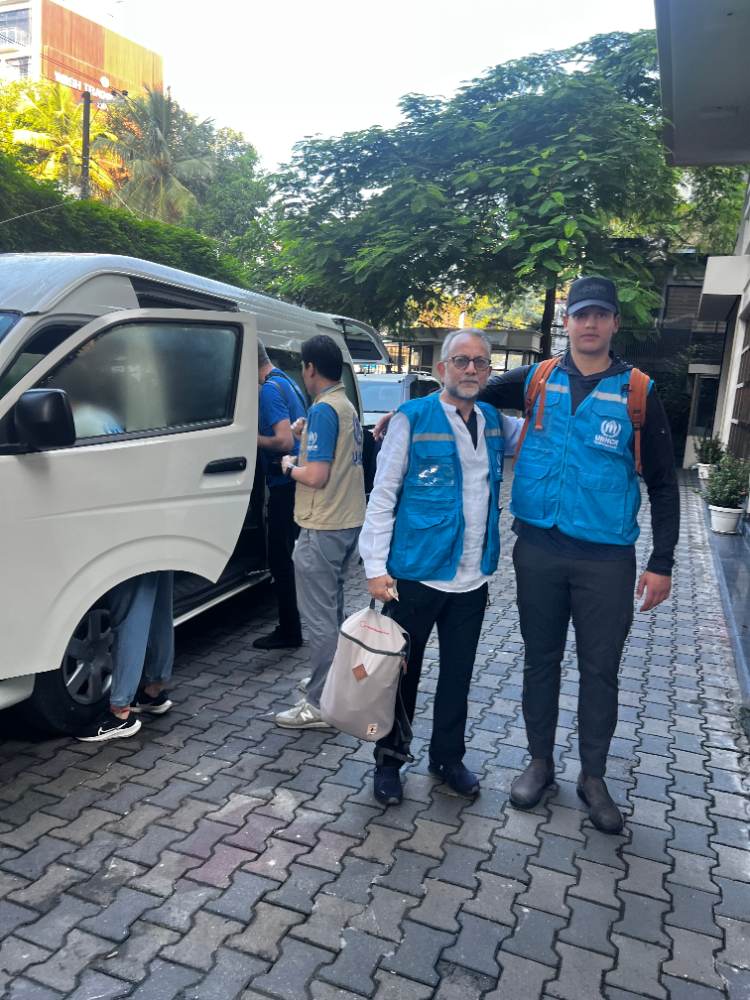
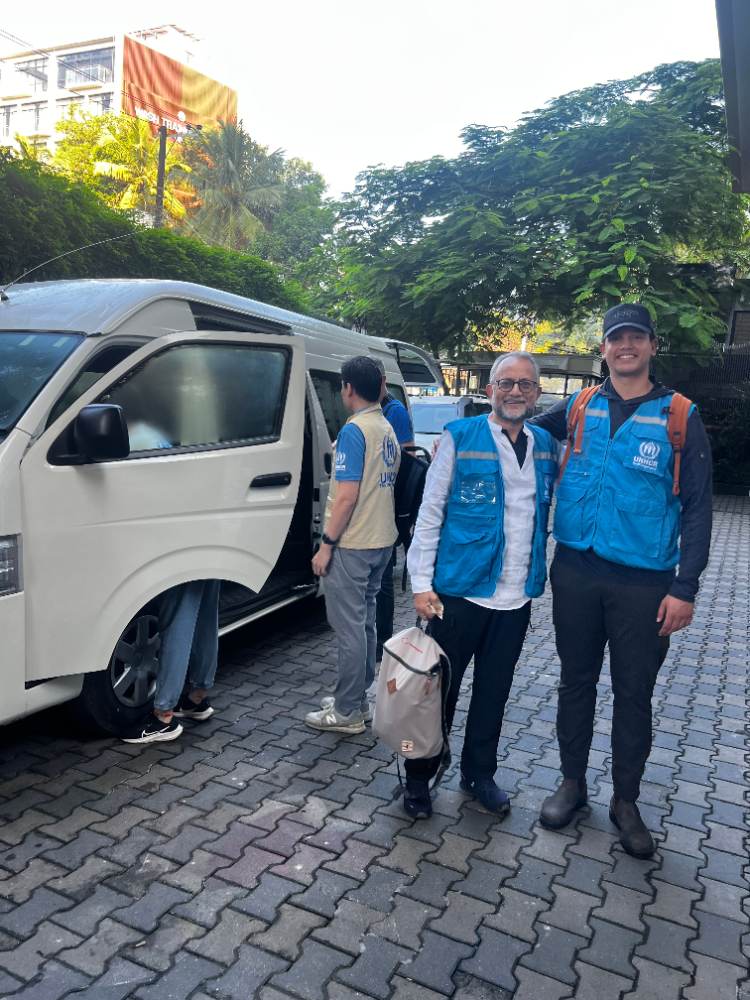
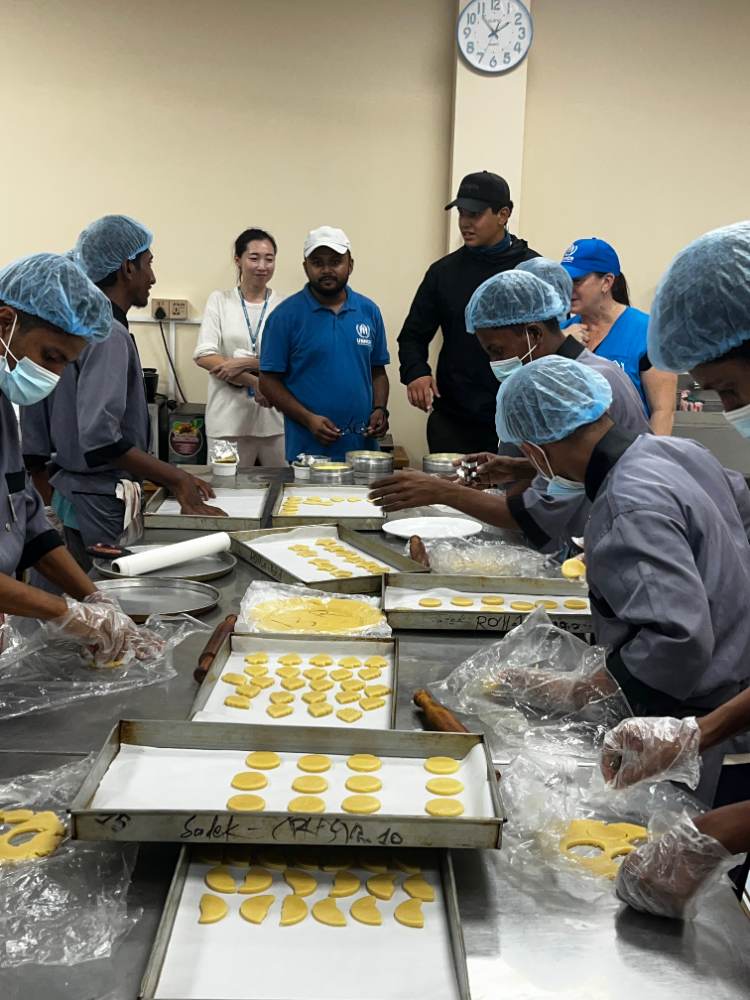
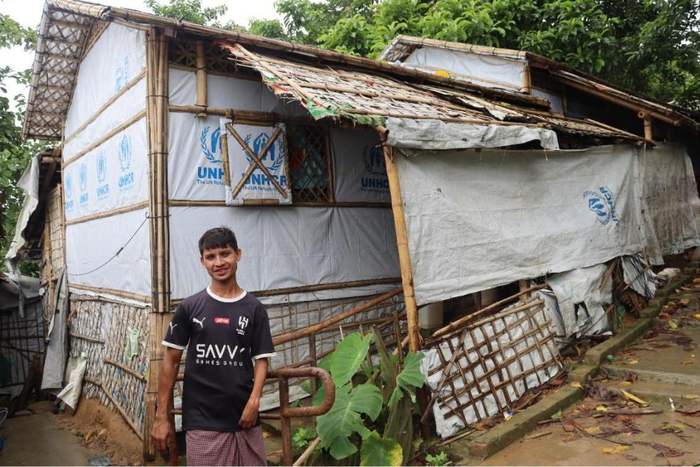
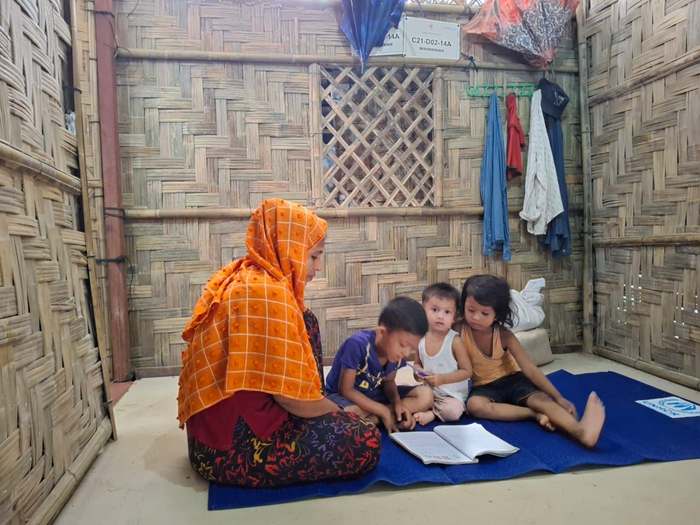
Mohammed Sayed, 30, lives in Camp 21 with his wife Noor and their three children. Born with a physical disability, he fled Myanmar in 2017 and has worked to build a stable life for his family ever since — volunteering with camp water and sanitation programs to earn an income and stay connected to his community.
Their shelter, built in 2018, grew less safe with every monsoon season; by early 2025 it was beyond repair. In June 2025, Sayed's family was one of 1,290 selected to receive a new, reinforced composite bamboo shelter — built to better withstand rain, wind, and fire.
“Now I am safe and secure at home,” Sayed says. Noor echoes him: “This shelter gives us privacy and peace. We are truly grateful.”
“I want them to have a better future. And thanks to this shelter, I truly believe they will.” — Sayed
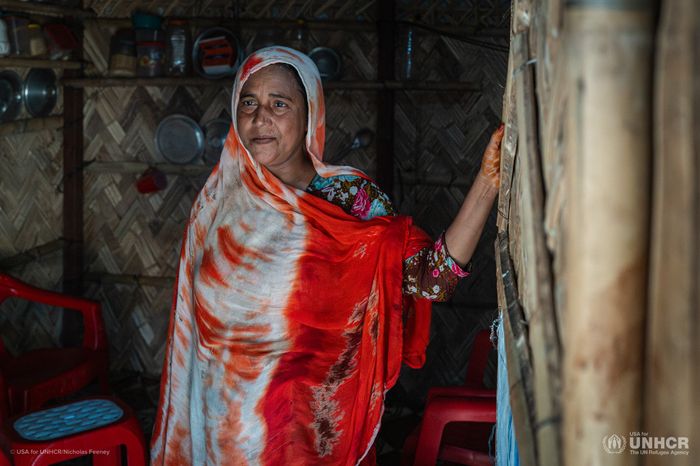
“During monsoon season, when it rained, the old shelter would become wet and dirty. With the new shelter, I'm feeling good because I don't have to deal with a leaking shelter, and I feel safer and happier.”
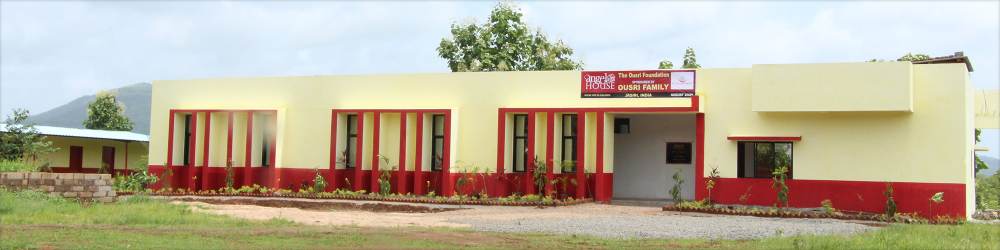
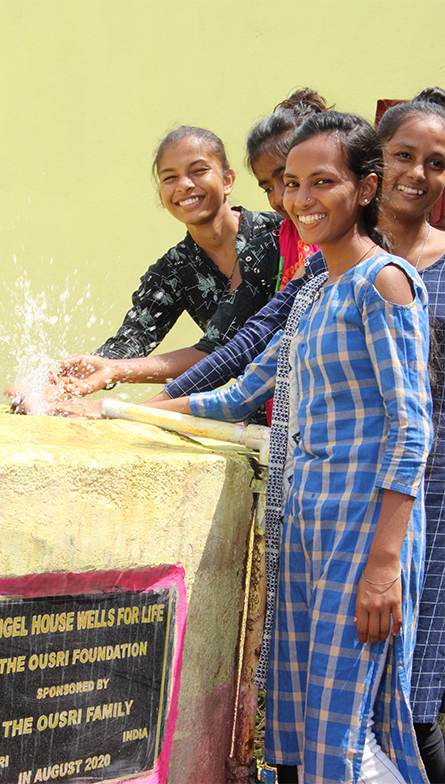
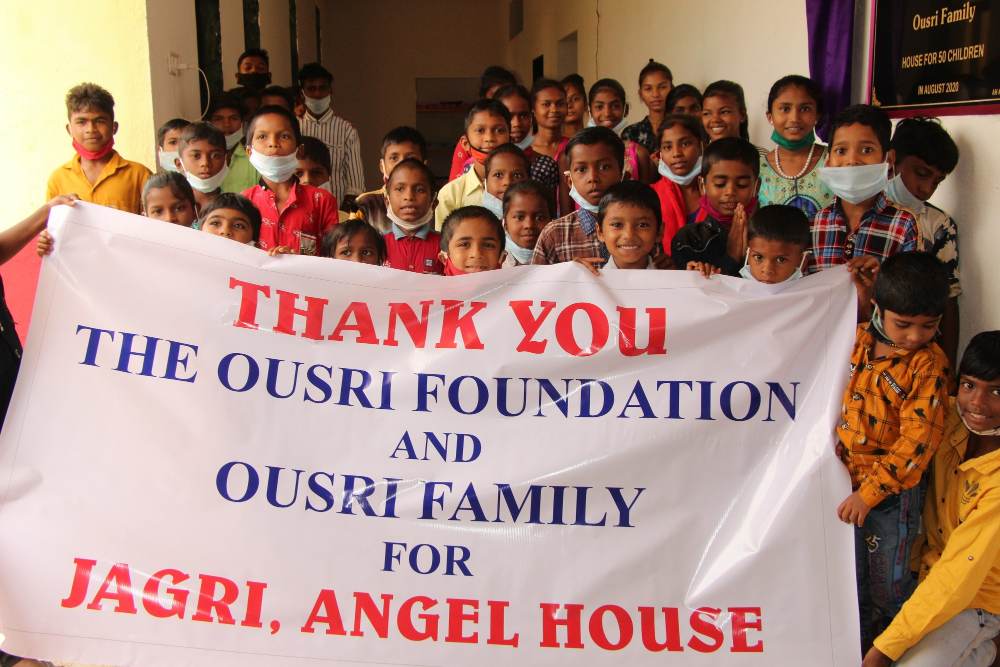
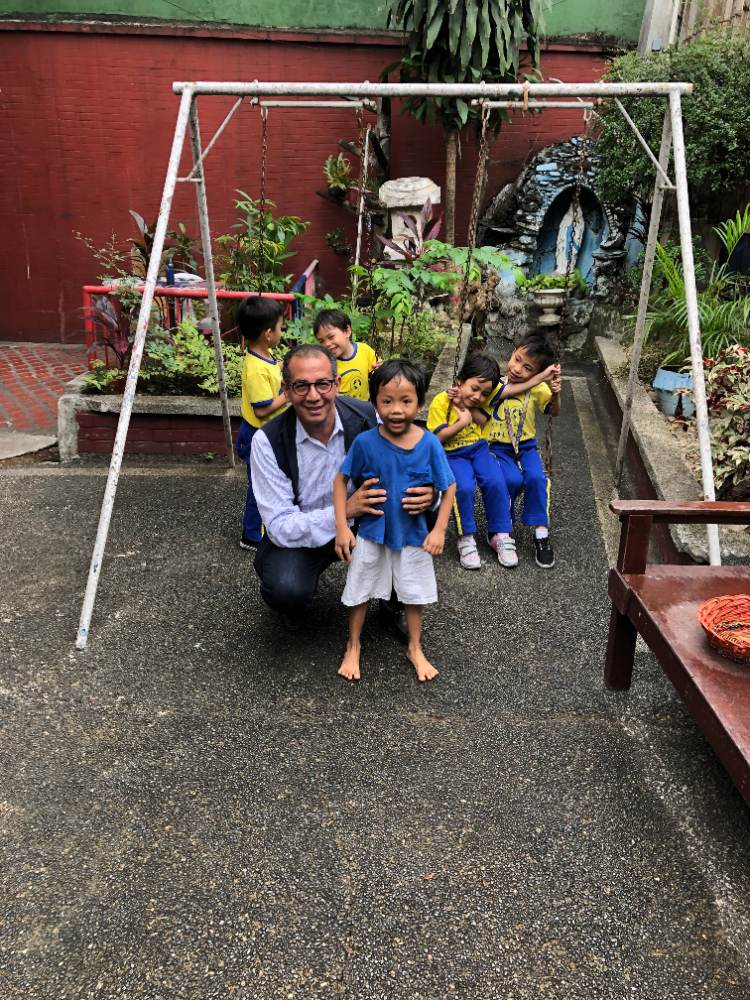
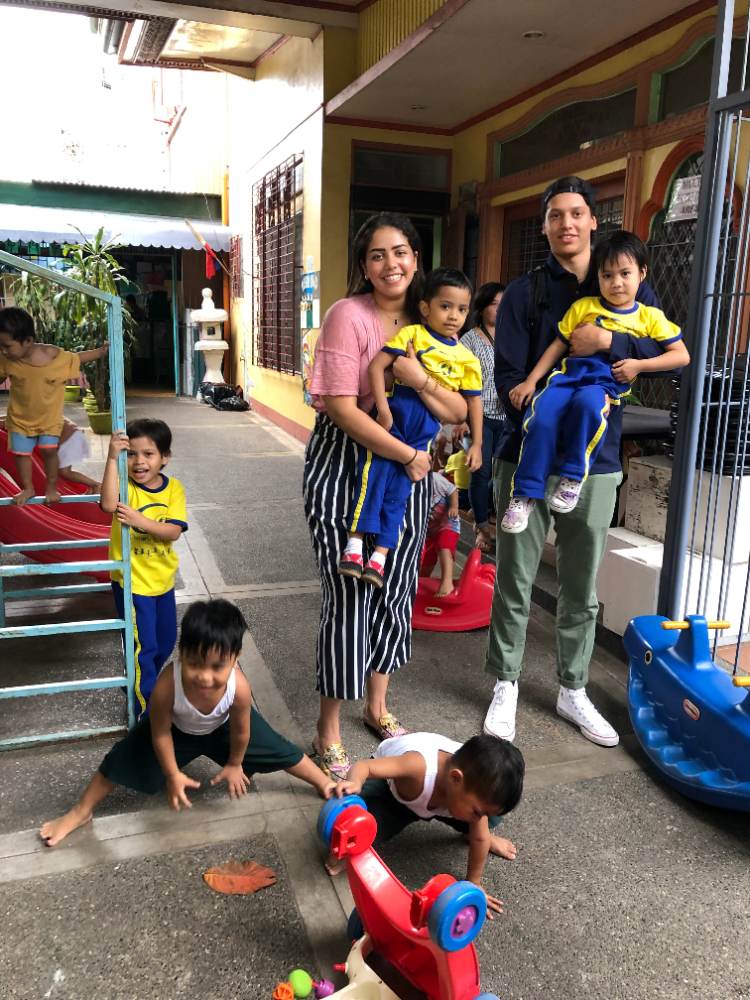
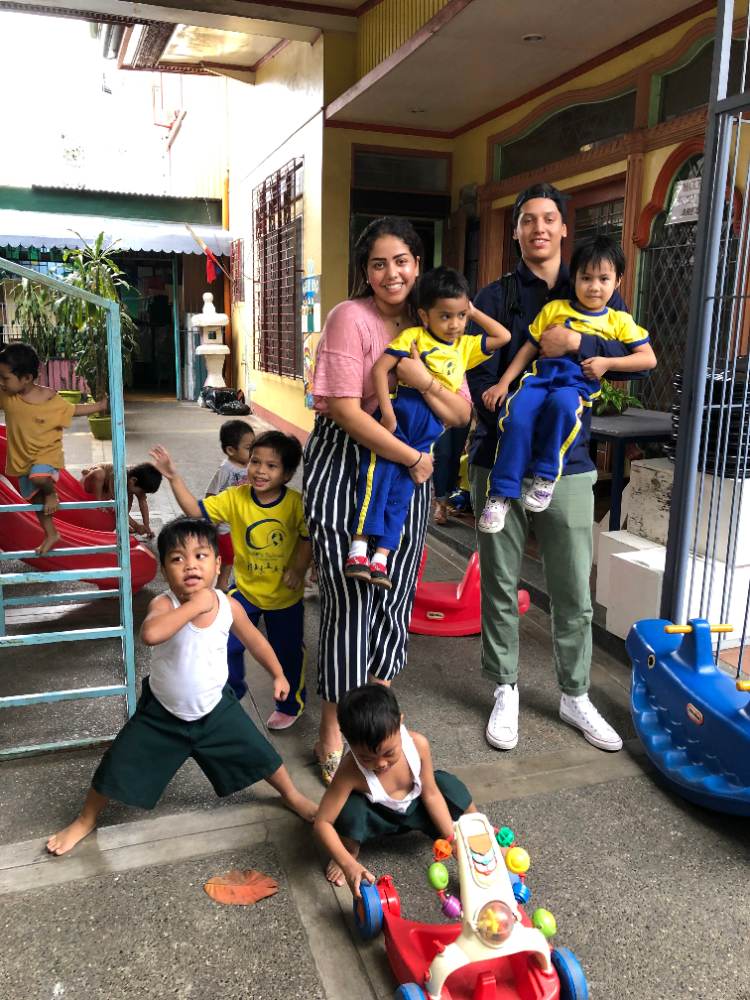
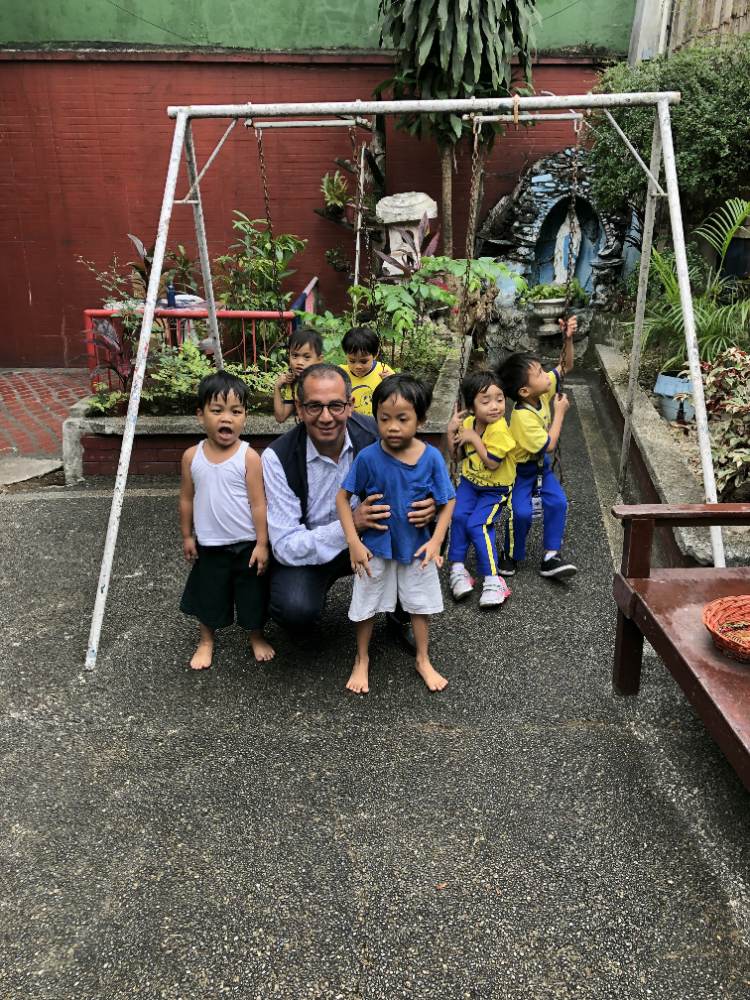
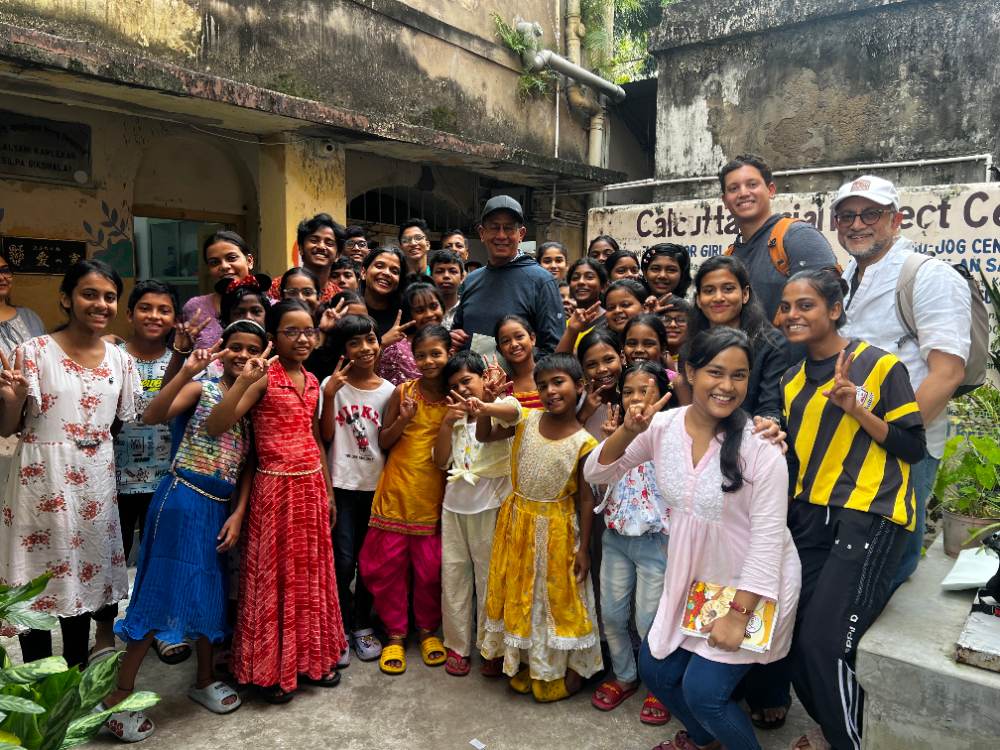
The foundation's work has also supported Angel House, a children's shelter in India, with a new home for 50 children, a clean-water well, and ongoing visits from the family — alongside partner shelters in the Philippines caring for children day to day.